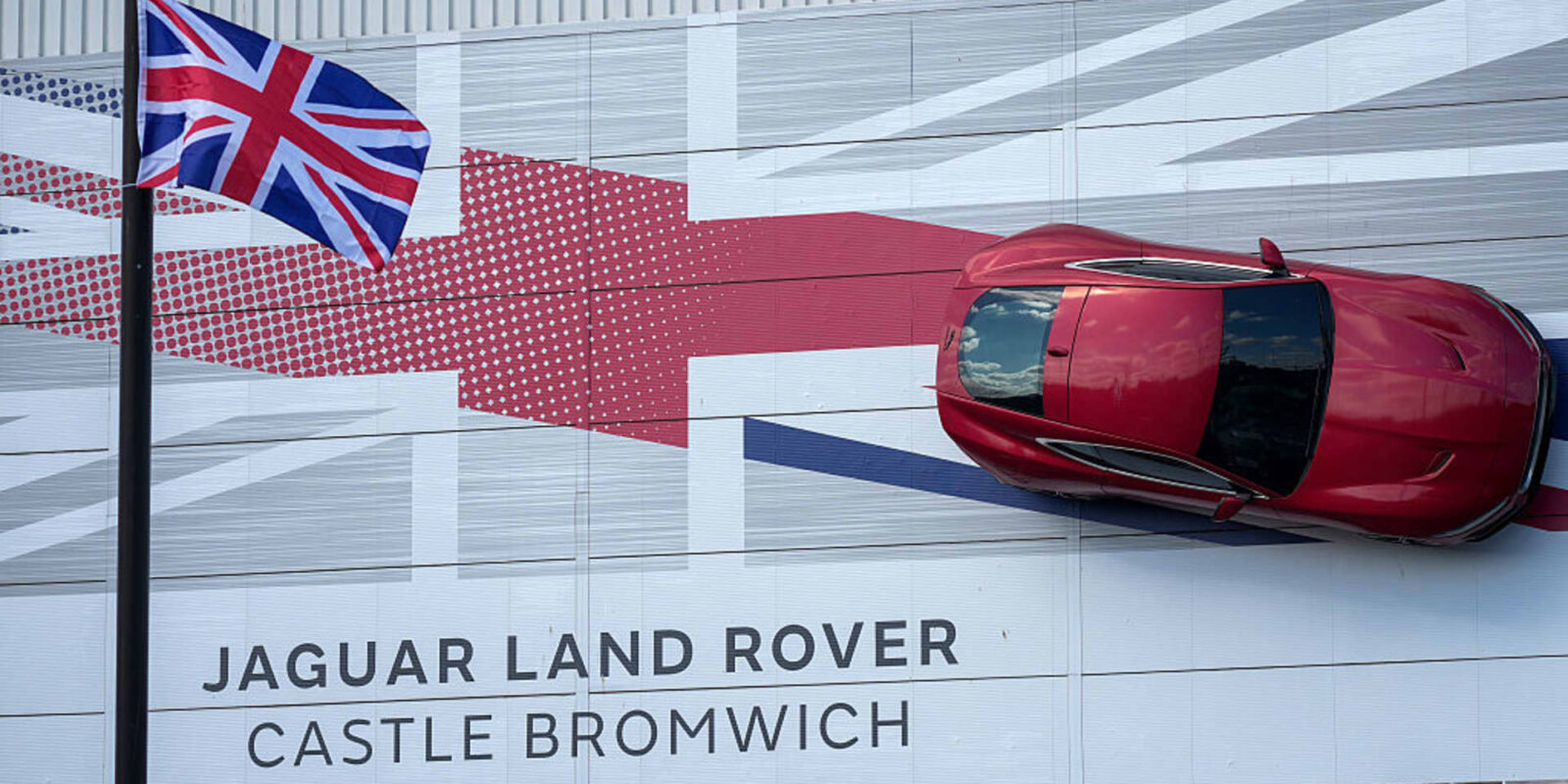
Jaguar Land Rover is preparing to trim its workforce by as many as 4,000 positions over the next two years as part of a massive financial restructuring. The luxury automaker, owned by India’s Tata Motors, is aiming for approximately 2.3 billion dollars in cost savings to better navigate a volatile global market. While the company has not officially confirmed the exact number of layoffs, a spokesperson noted that they are opening a voluntary redundancy program specifically targeting management and salaried staff to streamline operations and reduce their break-even point to 300,000 vehicles.
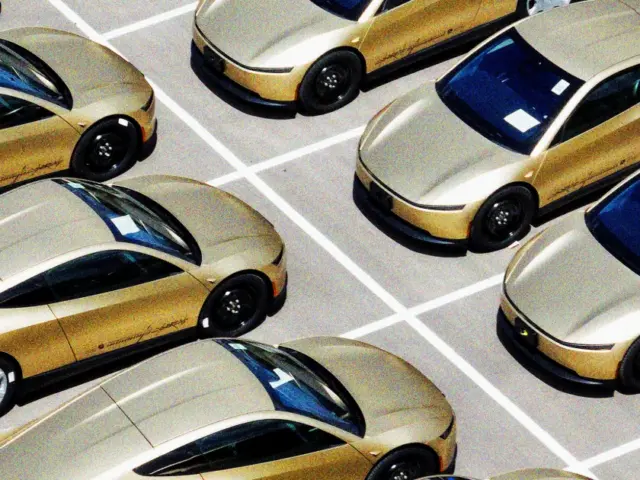
This aggressive pivot comes as the British icon faces a perfect storm of economic headwinds. The firm is currently grappling with fierce competition from more affordable Chinese electric vehicle rivals, the lingering fallout from a cyberattack, and the looming threat of tariffs imposed by U.S. President Donald Trump. By simplifying its organizational structure and improving internal efficiency, JLR hopes to build enough resilience to survive these shifting geopolitical and commercial landscapes.
The move puts additional pressure on regional leadership following similar downsizing efforts at other high-end British marques like Bentley and Aston Martin. While U.K. Business and Trade Minister Jonathan Reynolds has already ruled out a government bailout for the company, he is expected to meet with executives this week to discuss how the redundancies will be handled. Government officials emphasized that while they recognize the uncertainty facing workers and their families, they have already provided billions in research funding and grants to support the transition toward zero-emission vehicles.
The struggle at Jaguar Land Rover reflects a broader crisis currently sweeping through the traditional automotive world. Across the English Channel, German giant Volkswagen recently announced plans to cut another 50,000 jobs under a similar transformation strategy driven by tariff wars and Chinese market penetration. As legacy automakers scramble to modernize, the shift suggests that even some of the most prestigious names in motoring are finding it difficult to maintain their footing in an increasingly electrified and competitive era.