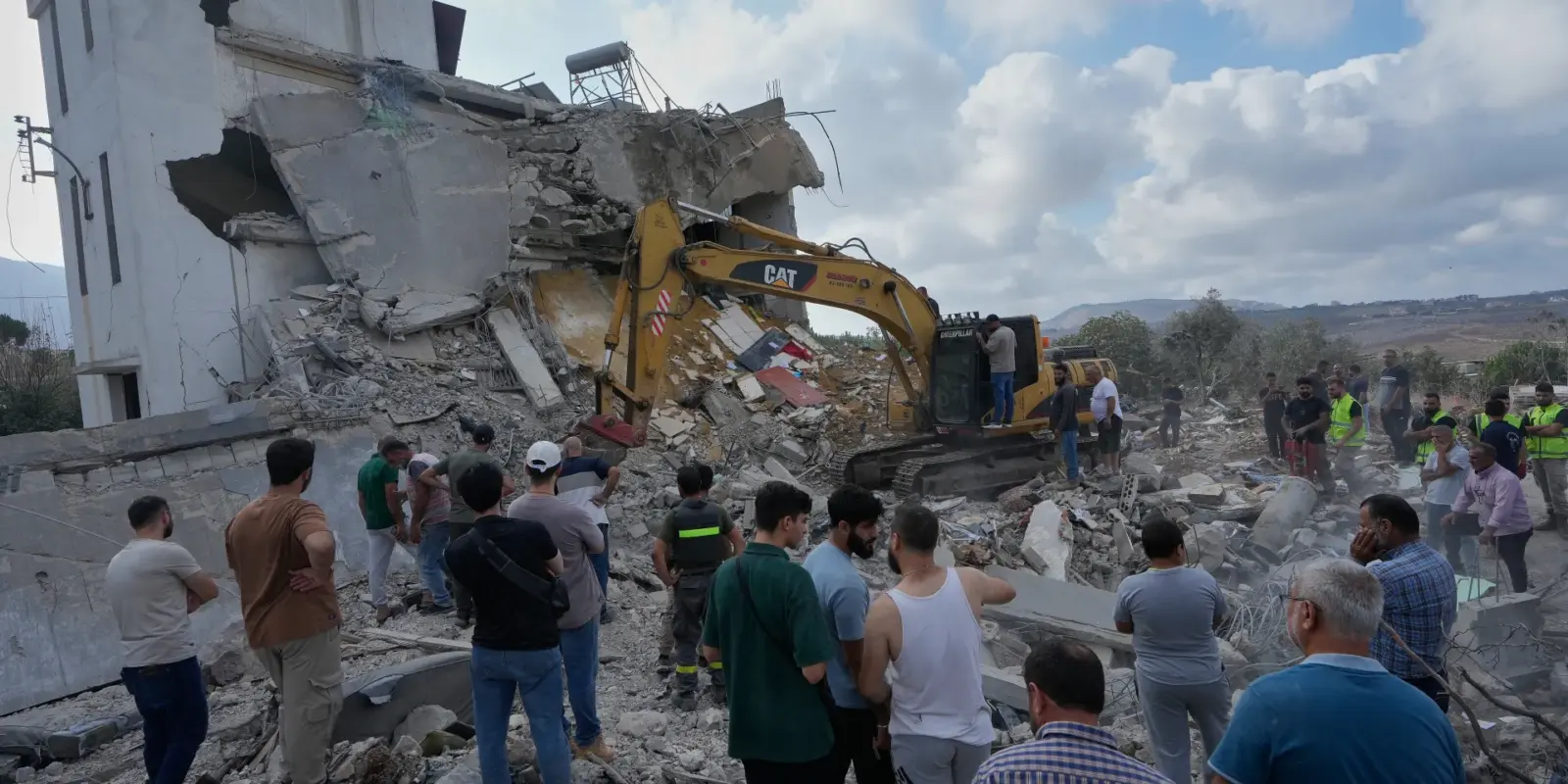
At least four people were killed and twenty others wounded in southern Lebanon following a series of Israeli air strikes that broke out early Sunday morning. According to the Lebanese National News Agency, the attacks targeted several locations including Nabatieh, Arab Salim, Nabatieh al-Fawqa, and Kfar Reman. In Arab Salim, two women lost their lives and six others were injured in a strike that occurred shortly after Israeli forces issued a forced displacement order for a local building. Another separate attack in Nabatieh al-Fawqa claimed two more lives.
Beyond the immediate casualties, the raids caused significant structural damage across multiple towns. A historic building belonging to the brother of a Lebanese member of parliament was destroyed in Nabatieh city, while the former home of a late mayor was leveled in Kfar Reman. Additional strikes hit urban areas such as the Sayyida Masouma Garden, further dismantling a municipal park that had already been damaged just one day prior. These events highlight a continuing pattern of destruction in civilian zones despite recent efforts toward stabilization.
Israeli officials defended the operation as a necessary reaction to Hezbollah launching two drones toward their forces in southern Lebanon, characterizing the move as a blatant violation of existing arrangements. This surge comes at a fragile time; although intensity dropped slightly following diplomatic frameworks established earlier this year through U.S.-led mediation, tensions remain high with Israeli troops still maintaining a security zone within Lebanese territory. Recent reports suggest Israel may be weighing a partial troop pullback toward its own border along what some call a Grey Line, though no formal approval has been granted by political leaders.
As death tolls continue to climb throughout southern Lebanon, regional diplomats are scrambling to prevent total escalation. Qatari Prime Minister Sheikh Mohammed bin Abdulrahman bin Jassim Al Thani recently contacted Lebanese Prime Minister Nawaf Salam to press for de-escalation measures. Meanwhile, Hezbollah has condemned the ongoing military campaign and criticized international silence regarding the violence, reiterating its refusal to engage in direct negotiations with Israel while foreign troops remain on Lebanese soil.