
The stock market has been on a record-breaking run over the past few years, with the S&P 500 (SNPINDEX: ^GSPC), Nasdaq Composite (NASDAQINDEX: ^IXIC), and Dow Jones Industrial Average (DJINDICES: ^DJI) all reaching new heights.
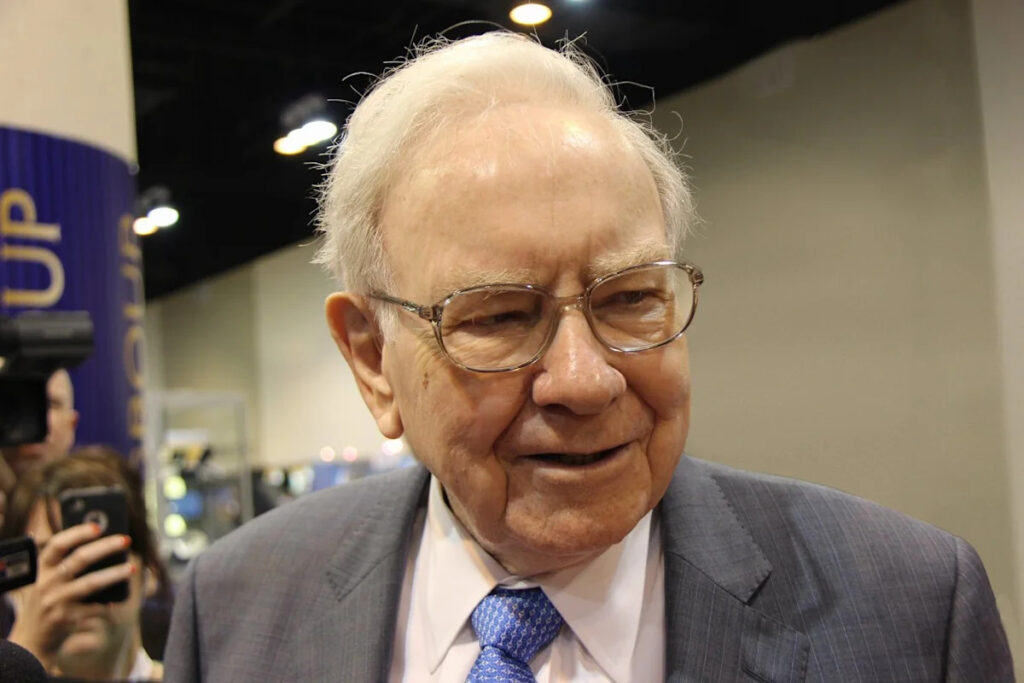
But despite the impressive gains, stock prices can’t continue surging forever. While nobody can predict the market’s short-term movements, it’s only a matter of time before we face another bear market. And according to Warren Buffett, some investors may be in for a rude awakening.
Missed Nvidia in 2009? This Rare Signal Is Flashing Again. In 2009, a “Double Down” signal flashed for a little-known chipmaker called Nvidia. For the first time in years, that same “Total Conviction” signal is flashing for a company 1/100th the size of Nvidia. Continue »
Warren Buffett warns that some investors are “gambling”
In an interview with CNBC during Berkshire Hathaway‘s annual meeting earlier this year, Buffett offered his thoughts on this historically expensive market.
He noted that he often compares the market to a church with a casino attached — representing slow-and-steady long-term investing and short-term risk-taking. “[T]he casino has gotten very attractive to people,” Buffett warned, going on to emphasize that “that’s not investing, it’s not speculating, it’s gambling.”
Sometimes, the riskiest investments are the ones investors don’t even realize are risky. When the market is booming, it’s increasingly likely that some stocks are overvalued. These stocks can surge in the short term, but they generally correct themselves over time.
Even more dangerous are the hype-fueled investments that have little substance to back up their soaring stock prices. We’ve already seen this play out with the dot-com bubble, when many tech companies broke IPO records only to go bankrupt a few years later when the market collapsed beneath them.
The stock market has a warning of its own
With company valuations soaring, the broader market itself is also becoming more expensive. The S&P 500 Shiller CAPE ratio is a valuation metric that tracks the index’s inflation-adjusted earnings over the last decade.
A higher ratio suggests that the market is trading at a premium, and historically, stock prices tend to fall in the years following a peak. Since 1871, the S&P 500 Shiller CAPE Ratio has averaged around 17. It hit an all-time high of 44 in 1999, just before the dot-com bubble popped, and it’s now surpassed 40 again for only the second time in history.

So, does this mean we’re in a stock market bubble? Not necessarily.