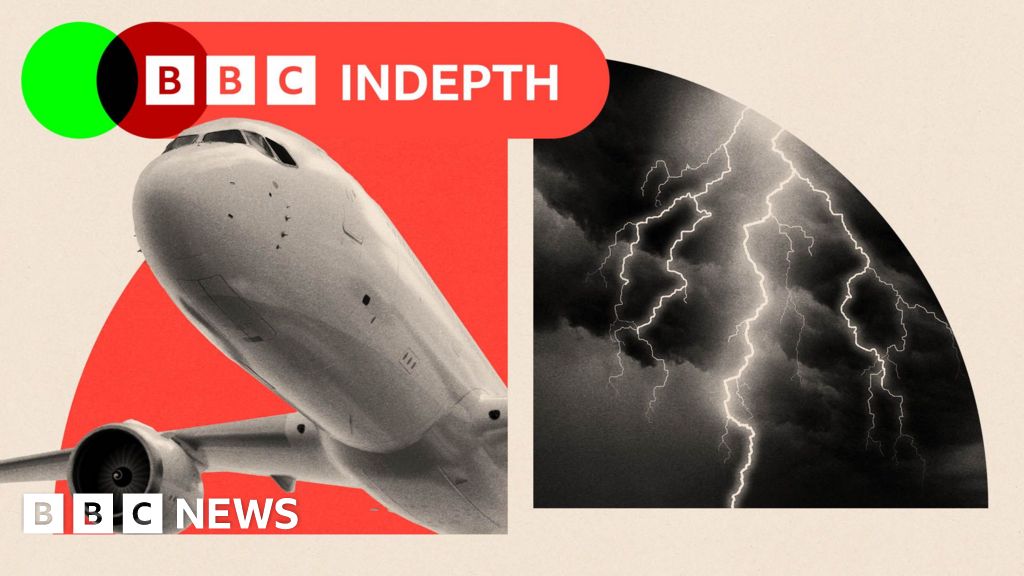
Travelers heading to the skies may need to brace themselves for a new era of unpredictability as rising global temperatures threaten to turn routine trips into chaotic ordeals. A recent surge of intense summer storms left thousands stranded at London’s Heathrow and Gatwick airports, resulting in nearly 900 delays and dozens of cancellations in a single day. While such events are often dismissed as bad luck, aviation experts warn that these episodes of atmospheric volatility are becoming a symptom of a larger climatic shift.
The danger lies in the nature of convective weather, where warming ground temperatures push moist air upward to create massive, unstable thunderstorm cells. Because warmer air holds more moisture, the potential for severe rainfall and violent storms increases. For air traffic controllers at hubs like NATS in Hampshire, this means constantly monitoring radar for shifts that can suddenly shrink available airspace, forcing pilots to reroute mid flight and clogging already congested corridors over Northern Europe.
Some consultants fear the industry is moving toward a tipping point where current coping mechanisms will fail. Tim Atkinson, an airline risk specialist and former pilot, suggests that whereas the system used to handle the closure of a single airport, we may soon face scenarios where all major London hubs are knocked offline simultaneously. Such a collapse could lead to critical situations involving aircraft with dwindling fuel reserves searching for any available runway far from their intended destinations.
However, not everyone believes the industry is on the verge of disaster. Other executives argue that while worst case scenarios are easy to imagine, they lack realistic context given the sophisticated decision making capabilities of modern aviation management. They suggest that while disruptions will undoubtedly increase, the systemic failure feared by some remains unlikely. Regardless of where specialists stand, it seems clear that passengers will have to grow accustomed to more frequent warnings and longer waits as the planet heats up.