
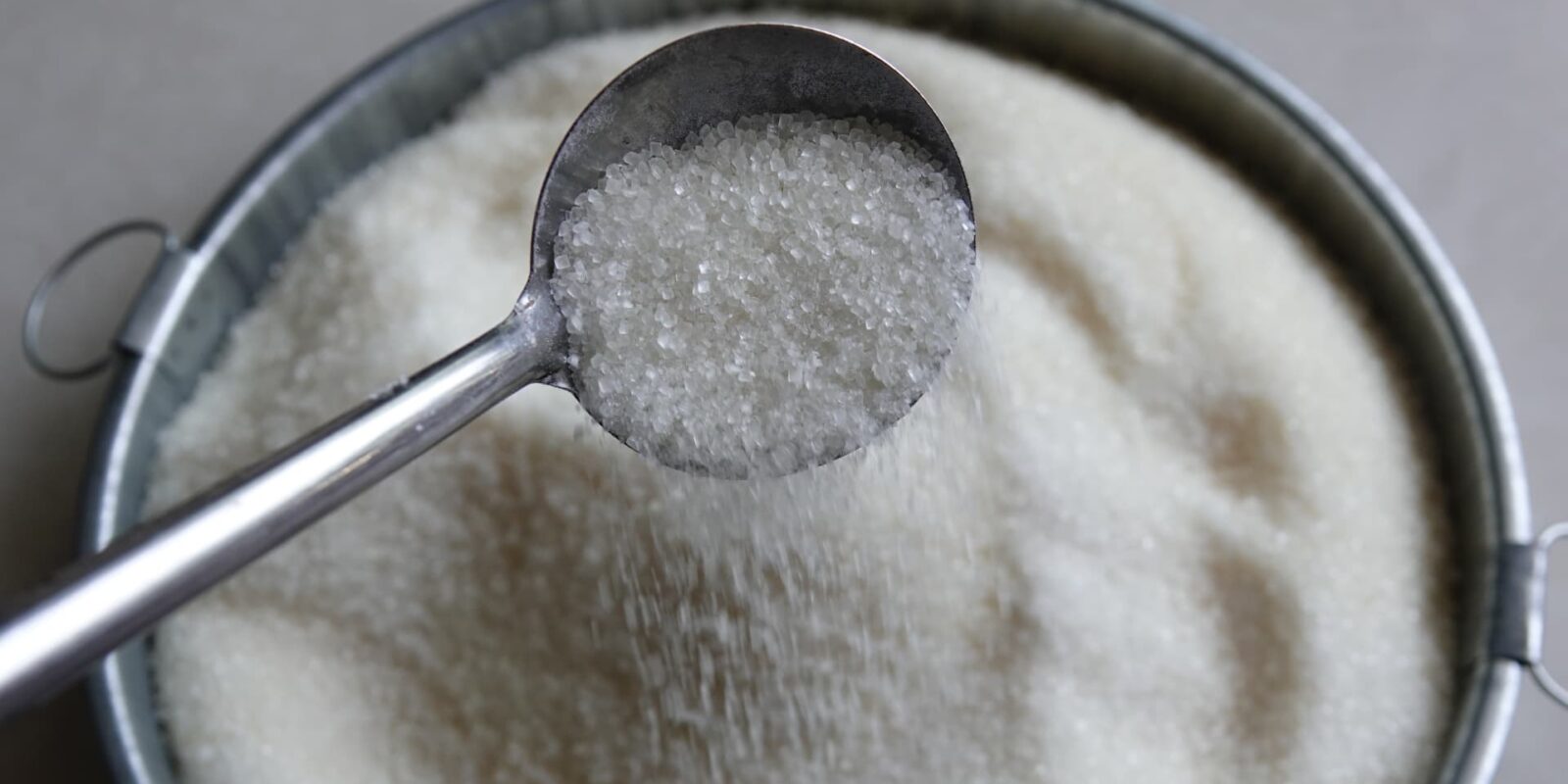
For investors looking for the best returns this year, the answer might not be found in a tech portfolio but in a sugar bowl. In a surprising turn of events, sugar has outperformed the S&P 500 on a year to date basis, climbing roughly 20 percent compared to the broader market index’s 13 percent advance. This surge culminated in a massive spike during August, marking the sweetener’s strongest monthly gain since 2010 and signaling a period of intense volatility for buyers worldwide.
The rally is being driven by a perfect storm of environmental disasters and shifting economic priorities. Severe heat waves across Europe decimated sugar beet crops, leading various agencies to slash production estimates. Meanwhile, the looming threat of an extreme El Niño event is casting a shadow over major producers in Asia and South America. Because Brazil, India, and Thailand control about 70 percent of global exports, any disruption caused by unpredictable rainfall or drought creates immediate panic in the markets. Analysts warn that these climate patterns could further tighten inventories just as demand remains steady.
Beyond the weather, geopolitical shifts and energy costs are squeezing the rest of the supply chain. In Brazil, high oil prices have made ethanol more lucrative than sugar, prompting mills to pivot their production toward biofuels rather than food grade sweeteners. At the same time, India has shocked the market by authorizing duty free raw sugar imports for the first time since 2018. When one of the world’s largest producers stops exporting and starts buying for its own domestic needs, it leaves far less product available for everyone else.
Looking ahead, financial institutions like Citi remain highly bullish on sugar, raising price targets as deficits grow. While some hope that drying fields in Brazil might allow for a late recovery in harvesting speed, most experts agree there is very little margin for error left in the global balance sheet. As long as climate instability persists and fuel prices keep ethanol attractive, sugar appears poised to remain one of the most aggressive performers in the agricultural commodities sector.